
The White Building
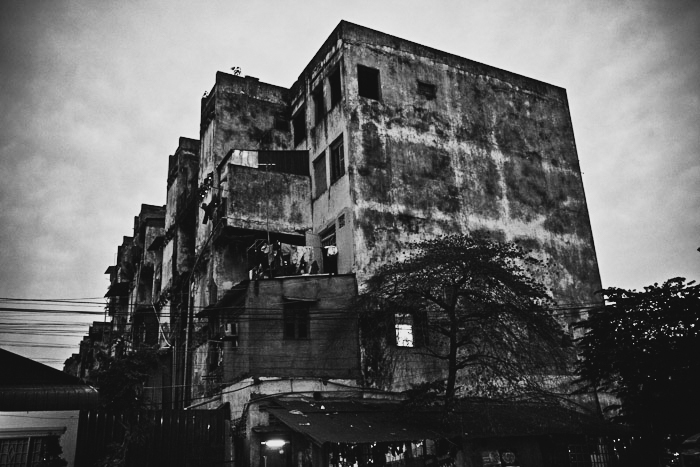
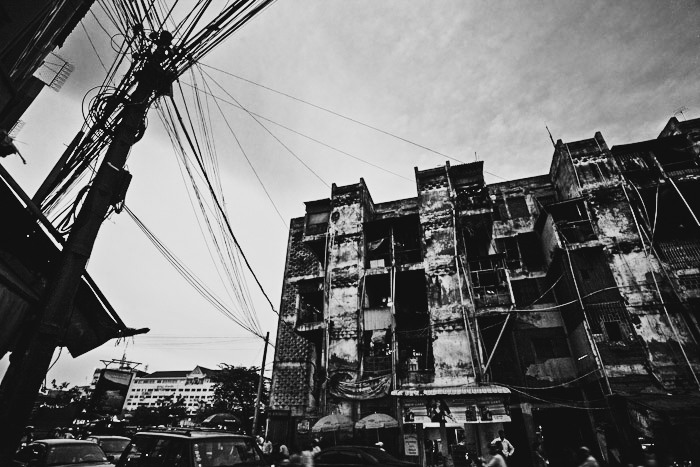
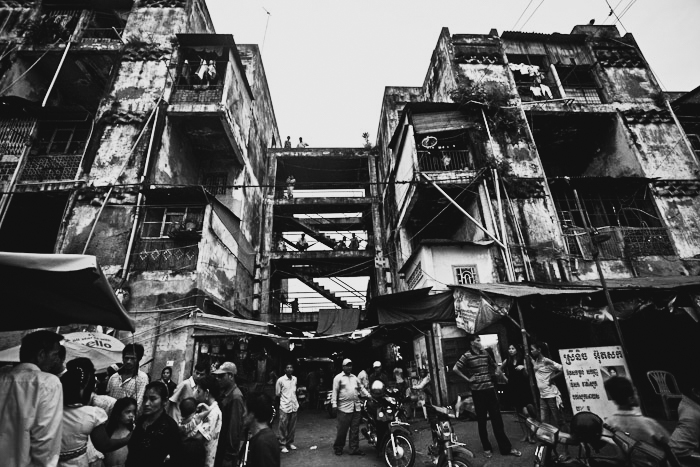
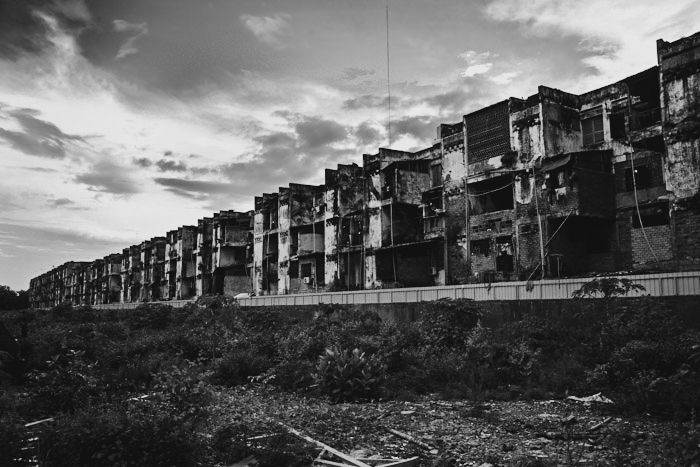
The White Building, fue construido en 1963, como intento de ofrecer un alojamiento urbano y moderno a los camboyanos de clase media y baja.
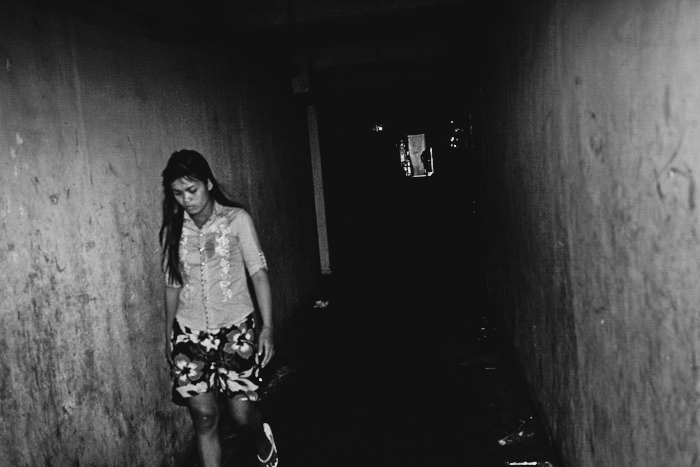
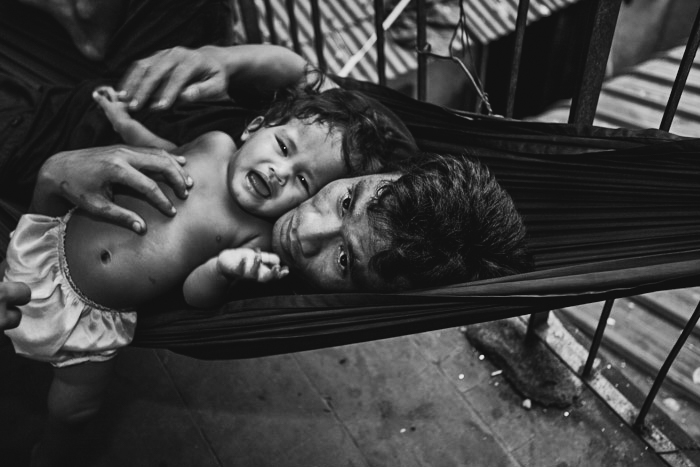
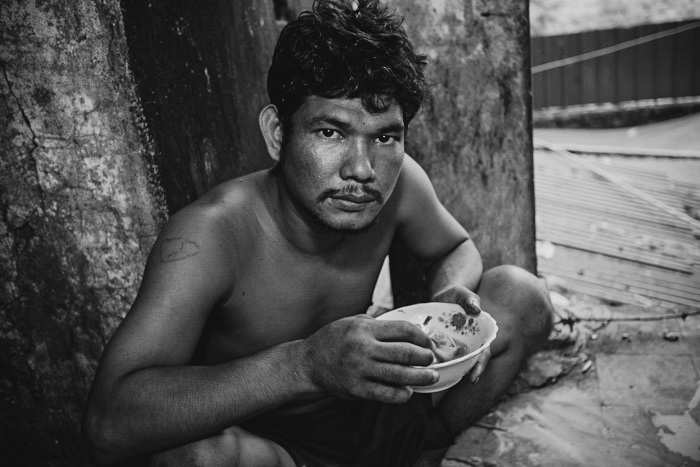
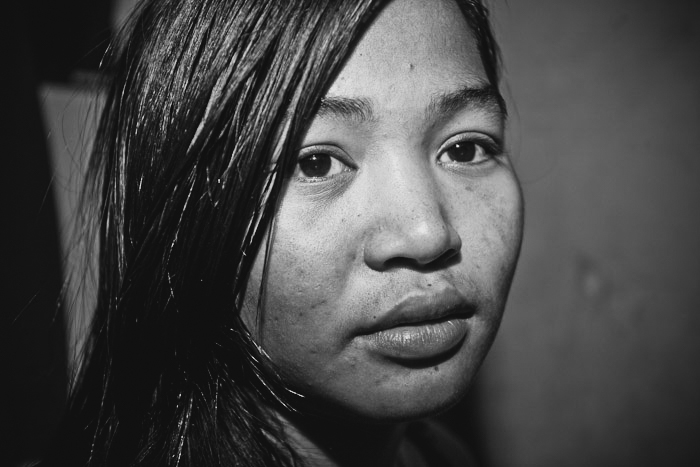
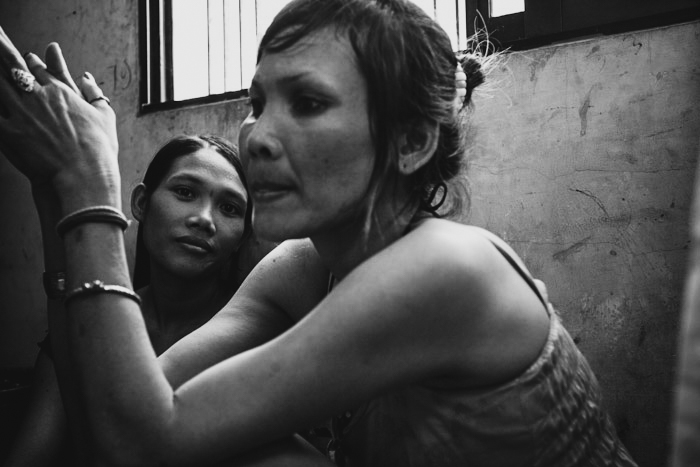
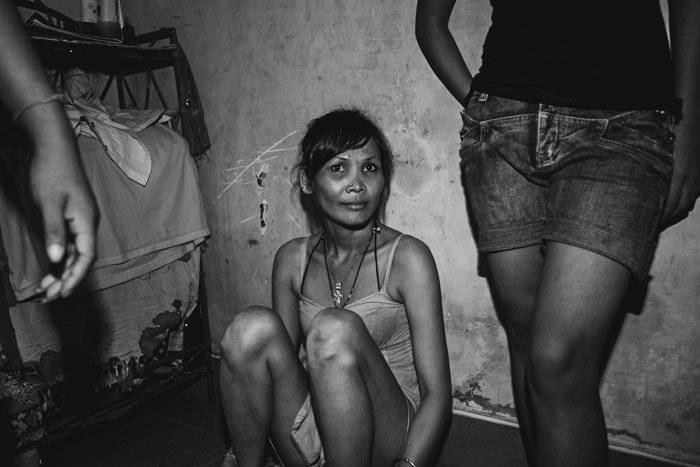
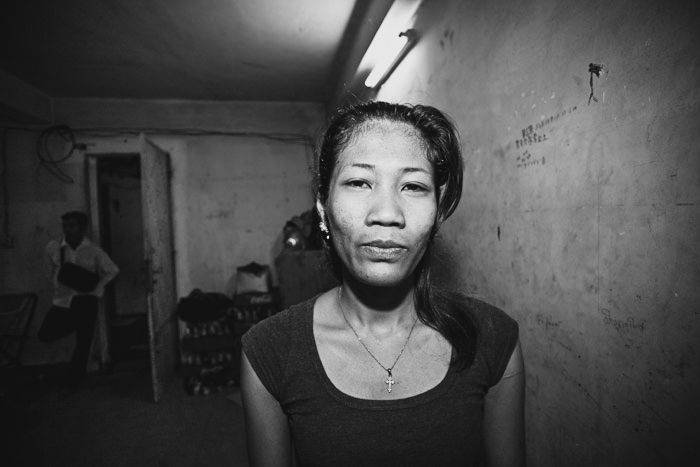
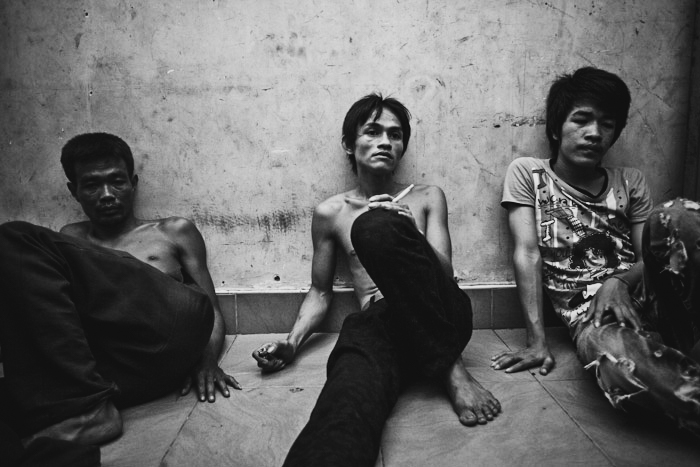
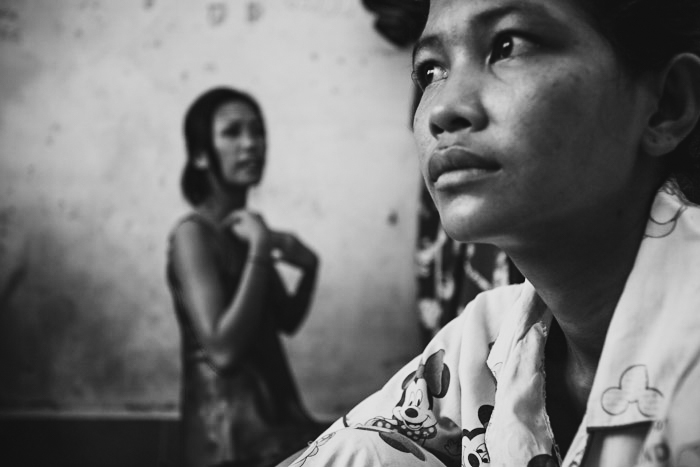
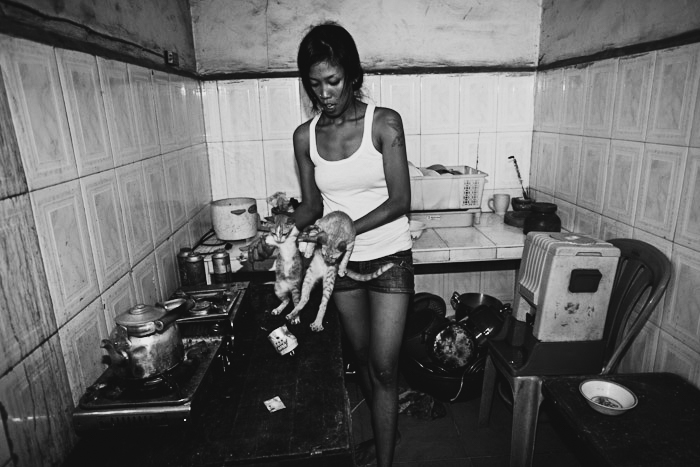
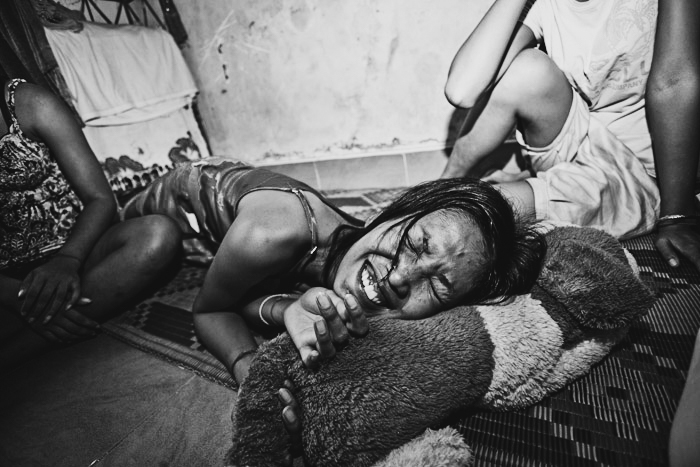
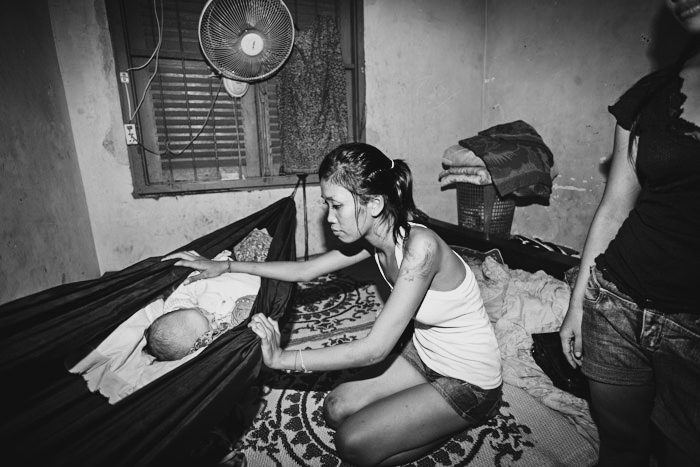
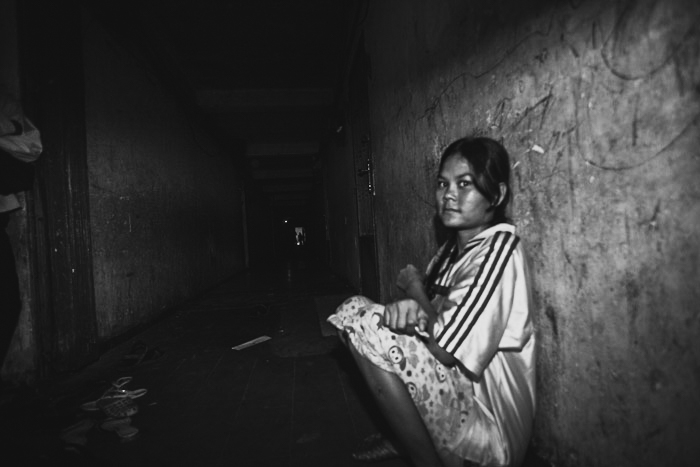
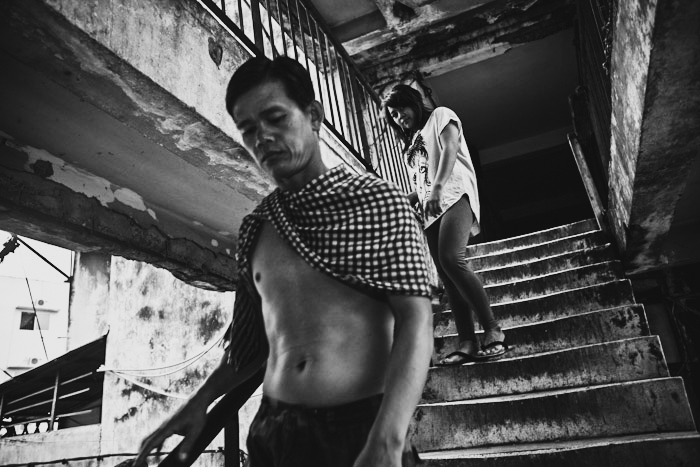
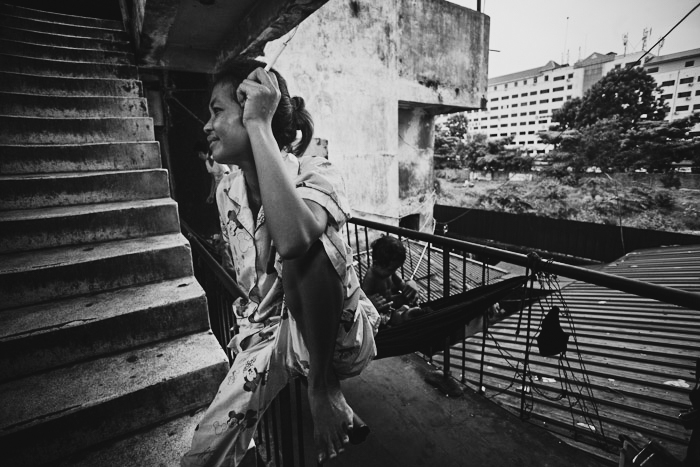
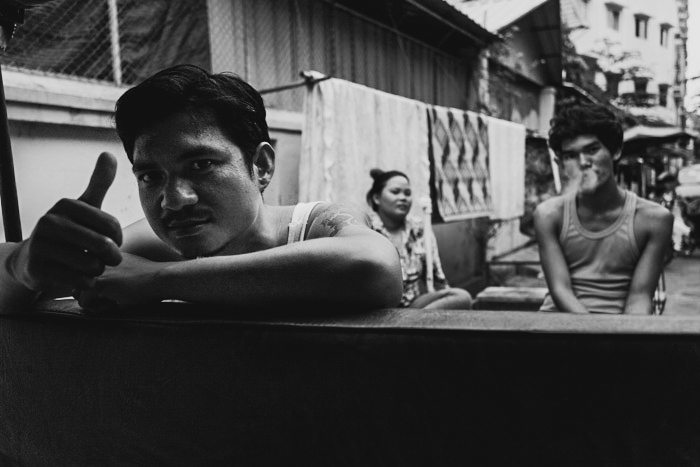
En 1979, el Khmer Rouge obligó a toda la población de Phom Penh a emigrar al campo. Pocos años después, cuando termina el infame genocidio de los Jemeres, la ciudad recupera el pulso mientras los supervivientes corrieron a ocupar sus edificios. Durante los siguientes 30 años el edificio, una vez moderno y confortable, se convirtió en una especie de suburbio vertical habitado por la población más pobre: artistas, músicos, estudiantes y familias muy humildes. Pero pronto atrajo también a pequeñas mafias relacionadas con la prostitución y el narcotráfico. Muchas chicas del campo llegaban con el reclamo de buscar una nueva vida y para acabar engañadas y explotadas en los brazos del mercado sexual. Una vez que cruzan la línea de la prostitución, es muy difícil que sus comunidades de origen vuelvan a aceptarlas. La extorsión, el abuso y la drogadicción son muy comunes. Nuestras protagonistas trabajan a diario en un burdel central. Son parte de la normalización de la prostitución en las grandes ciudades de un país donde dos tercios de la población tiene menos de treinta años. Y el eterno conflicto entre rebeldía y resignación continúa. Las fotografías se tomaron en 2009. En 2017 el edificio finalmente fue demolido debido al deterioro de sus muros y deficiente saneamiento pero aún hoy se recuerda como un ícono de la historia más reciente del país con sus luces y sombras.
The White Building
The White Building was built in 1963, first called the apartment building was the first attempt to offer modern urban accommodation to lower and middle class Cambodians.
In 1979, the Khmer Rouge forced the whole City evacuation to the country Side. Few years late, when the infamous genocide was over, the City recovered little by little its pulse and many squatters run into the building. During the next 30 years while the building, once modern and comfortable was turned into a kind of vertical slum inhabited by poor people: artists, musicians, students and very humble families. But also it has been an appealing spot for little mafias related with prostitution and drug dealing. Many girls from the country side came to the city searching for a new life and ended up into the arms of them. Once they cross the line of the sex market it’s very difficult to be accepted again by their communities of origin. Extortion, abuse and drug addiction is very common. These girls worked daily into a central brothel. They are part of the standardisation of the prostitution in the big cities in a country were two thirds of the population is under the age of thirty. And endless conflict between rebelliousness and resignation continues. Pictures were made in 2009. In 2017 the building was finally demolished due to the deterioration of its walls and poor sanitation but still is taken as an icon of the last history of the country.